
Dustin from Tipton recently asked me a great question. He asks,
“If my neighbor has a tree that is dead and could possibly hit my house if it falls. How do I go about making sure that if their stuff falls on my house that I don’t have to pay for it?”
Yes, it’s true. If your neighbor’s tree falls on your property and causes damages, you are responsible for the damages to your own property. Meaning if there is enough damage for an insurance claim, it would hit your policy. 
However there could be an exception to that rule if you have noticed the dead tree and asked your neighbor to cut down the tree or remove the hazard. The key is to give your neighbor proper notice of your concern, establish a paper trail, and ask him to remove the hazard.
Here are some suggested steps that you can take
- Verbally tell your neighbor of your concern and ask if he will remove the hazard. Most of the time this is the only step you will need to take as most people want to be good neighbors. It could even be a project you and your neighbor could work on together.
- If your neighbor will not comply, the next step would be to send him something in writing. An email or certified letter would be ideal. At this point you are looking to establish a paper trail of notices and requests. I would try this step several times before moving on to step 3.
- If significant time has passed and your neighbor is either ignoring your requests or does not indicate he will comply with your request you may want to get a third party involved. You could ask your homeowners association, local town board, or an attorney to send a letter to the neighbor on your behalf.
Remember, this is still America and your neighbor has rights, and in most instances, there is actually nothing you can do to make him remove the hazard. You are simply establishing a paper trail that you may need at some point in the future. You want to be able to show an insurance adjuster that you gave your neighbor plenty of warnings and requests of your concern.
If there is ever an event that involves that hazard, your insurance adjuster may be able to take the paper trail that you provide him and hold your neighbor accountable for your financial loss. In most cases the insurance company would first take care of your damages, and then pursue other actions to get the money back from the neighbor.


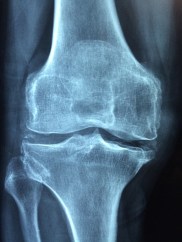 I got good news today from my doctor, telling me that instead of the surgery I was dreading for my worn out knees, that I likely just need Physical Therapy (PT). For many reasons this is welcomed news as well as an eye opener for me.
 They meet with an insurance person once, purchase a policy and then move on with life. They “Set it and Forget it.”

 On May 3rd of this year the put out the following press release in regards to the JD Power award.

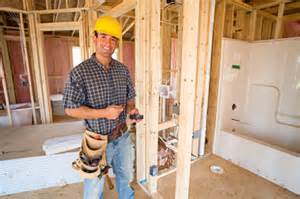 The builders risk policy should then cover all of the building materials on site and in the midst of construction until the project is completed. If set up properly this policy would cover the material for damage due to storms, fire, theft, vandalism, and other perils that will be named in the policy.
 When adding a driver to a policy the insurance company looks at the issue date of the drivers license. If the driver’s license issue date indicates that it is a young driver that was never added to the policy the insurance company will normally backdate the adding on of the driver to the issue date of the license and charge the premium to the insured from the issue date. This is especially true if the young driver has had an accident.
 could also choose to cover the claim but then add the young driver to the policy backdating the addition of that driver to the date they received their drivers license and charge the insured for 1 years of premium for that young driver. That additional premium would be due immediately and the insured would likely be dropped.
 If you own a home, have any money in the bank, a 401K or retirement account, own a business, or have wages that can be garnished an umbrella policy can usually provide adequate protection.
 Bragg Insurance Blog