Surviving the Polar Vortex

imagesR5MFAI7EAs we take the polar bear plunge into the depths of winter, not only do we have to be concerned about keeping our bodies warm, but we also need to take precautions for our homes.  Indiana homes are especially susceptible to the cold weather with snowfalls along with periods of melting and then freezing, and then melting and then freezing….etc.  This freezing and thawing can inflict considerable damage to our homes.

So, here are some tips and steps that you can take to protect your home from these periods of freezing and melting temperatures.

  • Keep sidewalks and entrances to your home free from snow and ice.
  • Watch for ice dams near gutter downspouts. Keep gutters free of leaves and debris so melting snow and ice can flow freely. Ice dams can cause water to build up and seep into your house.
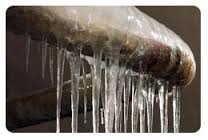
  • Keep the house heated to a minimum of 65 degrees. The temperature inside the walls where the pipes are located is substantially colder than the walls themselves. A temperature lower than 65 degrees will not keep the inside walls from freezing.
  • Identify the location for the main water shutoff in your home. Find out how it works in case you have to use it.
  • Open hot and cold faucets enough to let them drip slowly. Keeping water moving within the pipes will prevent freezing.untitled
  • If you own a swimming pool and temperatures are expected to dip below freezing, run the pool pump at night to keep the water flowing through the pipes.
  • If you haven’t already, make sure all hoses are disconnected from outside spigots.
  • If your garage is attached to your house, keep the garage doors closed. The door leading to the house is probably not as well-insulated as an exterior door.
  • If ice forms on tree limbs, watch for dead, damaged or dangerous branches that could break and fall because of ice, snow or wind and damage your house, a car, or injure someone walking near your property.
  • If you use fireplaces, wood stoves and electric heaters, watch them closely and make sure they are working properly.
  • Remember to close the flue in your fireplace when you’re not using it.
  • If you have to leave your home on a trip, ask a neighbor to check the house regularly. If there is a problem with frozen pipes or water leakage, attending to it quickly could mean far less damage.
  • If you plan to be away for an extended period of time (or if temperatures are expected to remain below freezing), have the water system, including pool plumbing, have the water system drained by a professional to keep pipes from freezing or bursting.
imagesY2XG7Y0UIf the worst has occurred and you have a problem with your home related to the winter weather, here are some other helpful suggestions.

  • If you discover that pipes are frozen, don’t wait for them to burst. Take measures to thaw them immediately, or call a plumber for assistance.
  • If your pipes burst, first turn off the water and then mop up spills. You don’t want the water to do more damage than it already has.
  • Call your agent or company as soon as you can. An insurance adjuster doesn’t need to see the spill before you take action. However, he or she will want to inspect any damaged items.
  • Make temporary repairs and take other steps to protect your property from further damage. Remove any carpet or furniture that can be further damaged from seepage.
  • Make a list of the damaged articles.
  • Save the receipts for what you spend—including additional living expenses if you must leave your home until repairs are completed—and submit them to your insurance company for reimbursement.

A standard homeowner’s policies will cover most of the kinds of damage that result from a freeze. For example, if house pipes freeze and burst or if ice forms in gutters and causes water to back up under roof shingles and seep into the house. You would also be covered if the weight of snow or ice damages your house.

However, most policies do not cover backups in sewers and drains or flood damage, which can also happen in winter. To be covered for flooding, you need a policy from the National Flood Insurance Program, while coverage for sewers and drains is generally offered as an endorsement to a standard homeowner’s insurance policy.

If your home suffers water damage, it is important to make sure that it is properly dried and repaired to prevent any potential problem with mold. Remember, mold cannot survive without moisture.

Check with your agent or company so you’ll be sure what your policy covers.

Source Insurance Information Institute

The Power of Life Insurance

September is Life Insurance Awareness Month.

There are very few things in this life that will have such a profound effect on the future of others then life insurance.  No other financial vehicle in the world has such power!

Here are my top five reasons why I believe that life insurance is the most powerful purchase that you will ever make.088

  1. The Power to Change Lives! What would your family be able to do with a tax free check of $1 Million?  Your family history could be changed forever by a wise investment into your future generations.  It’s a great idea to invest into your own retirement and future, but don’t forget that your descendants will eventually be standing on your shoulders as they try to provide for their families.
  2. The Power of a Lasting Legacy! Make a statement that will help your name to live on by donating the proceeds of a life insurance policy to the charity that you are passionate about.  Are you passionate about the future of your town, your church, your school, your organization?  Let the future generations know about your passion by using the proceeds of a life insurance policy to fund an endowment or scholarship.
  3. The Power of Education! Ensure that your children and grandchildren will be able to attend college even if you die.  College tuitions continue to rise while the importance of a post high school education grows even faster.  Your children and grandchildren will want to accomplish something great in this life!  Help them with their future (which is your future) by leaving money behind to help pay for their post high school education.
  4. The Power of Living Debt Free! Wow, what a gift that would be!  When you pass away, your family will be good-credit-vs-bad-creditdealing with the stress and heart ache of losing you.  Don’t leave them with the more burdensome task of figuring out how to pay your debts!  Have enough life insurance to pay off the mortgage and all of your other obligations.
  5. The Power to Replace your Income! What a blessing it would be for your family to be able to continue at their same lifestyle even without your income.  In my own family I have seen the devastation left behind by someone passing away without life insurance, as households were torn apart and financial futures wrecked.  While no person is ever replaceable, you can replace your income to help lessen the financial effect your death has on your family.

The Growing Problem of Identity Theft, Part 2

Part 2, How we can protect ourselves

As discussed in Part 1 the terms data breach and identity theft are relatively new terms that can have devastating effects on our personal lives. Billions of personal records have been stolen and it seems that data breaches are in the news every day.ID Theft

In today’s world your credit rating is very important. It’s a determining factor in the amount of interest that you pay; it affects your insurance rates; it can affect your employment, and your children’s future. Therefore it is vitally important that we do everything that we can to protect our good name.

What can we do to protect ourselves? There are both preventative and reactionary measures that we can take to protect both our credit and our identity.

For the individual, insurance companies offer a type of reactionary identity theft protection. If your Identity is stolen they will then step in to try and help bring your name back to where it was before the incident. There are limitations to this coverage but these coverages do help to alleviate some of the expenses in regaining your identity.

LifelockAlso for the individual there are credit monitoring companies like Lifelock that will monitor your credit for you and notify you of any activity on your credit report. Lifelock will also monitor individual credit accounts as well as bank accounts.

For business owners that are concerned about their client records many insurance companies now offer data breach coverage with the Business Owner Policy. The amount of the coverage can be customized to the size of business and the exposure associated with the business. If an incident did happen the coverage would kick in to help out with the expenses associated with the notices that must be sent to potentially affected clients. These notices are required by law. In most cases the policy would also help with expenses in offering additional services to the affected clients and with any legal fees associated with the breach.

Both Insurance companies and credit monitoring companies are a good start to protecting you identity, but there is more that you can do.images8AMQY7Z5

While there is no 100% bullet proof way to keep a criminal from stealing your identity there are some things that you can do to protect yourself. Here is a list of 10 things that will help you to protect you identity.

1. Shred your personal documents instead of just throwing them in the trash. Thieves are not too proud to go dumpster diving.

2. Check your credit report once per year. You can get a free credit report at http://www.annualcreditreport.com. You can dispute inaccuracies at the credit reporting agencies.

3. Carefully read your credit card statements each month to make sure that there are no unauthorized charges. Even small unauthorized charges could be an indication that a thief is getting ready to make a big purchase on your card.

4. Don’t leave your mail in the mailbox for too long. A lot of personal identifying information comes to us in our daily mail via USPS.

5. Don’t give out your personal information over the phone, or in an email. In recent times it’s become clear that phone conversations can be monitored and emails can be hacked.

6. Protect your Social Security Number. We take it for granted, but people entering into the country illegally are in search for good Social Security numbers.

7. Keep your computer secure with antivirus software and firewalls. Sometimes that pesky virus on your computer is looking for your personal information.

8. Don’t let your credit card out of sight. A big scam that was going on in the Chicago area a few years back involved waiters taking the clients credit card to the back of the restaurant and stealing the information to use later on. Have the waiter bring you the card machine instead.

9. Avoid doing business online with companies that you don’t know anything about.

10. Don’t open attachments or click on links from people that you don’t know.

For more information on how you can protect your identity theft contact Brian Bragg at Bragg Insurance Agency at 317-758-5828, or by email at brian@bragginsurance.com. For related information visit http://www.bragginsuranceblog.com

The Growing Problem of Identity Theft, Part 1

There are a number of scandalous types of news stories that have become so common place that we hardly notice them anymore. Government corruption, mass shootings, and data breaches are issues that should cause outrage, but instead we shrug our shoulders and move on: Until it impacts our life, that is.data_breach

According to Wikipedia, A data breach is the intentional or unintentional release of secure information to an untrusted environment. Other terms for this phenomenon include unintentional information disclosure, data leak and also data spill.

You may be surprised to learn that nearly every major corporation in the US has had some type of data breach at one time or another. Some of these companies include 7-Eleven, JC Penney, JetBlue, Dow Jones, Apple, AT&T, The Texas Attorney General’s Office, Sony, Blue Cross Blue Shield, US Military, AOL, US Dept. of Vet Affairs, TJ Maxx, Countrywide Financial Corp, Ameritrade, Monster.com, Gap, Starbucks, US Department of Defense, EBay, Facebook, and Domino’s Pizza to name a few. This list goes on and on.

security breachIn 2005 there were only 2 major data breaches in the US. These breaches involved AOL, and Citigroup, where AOL had 92 Million records that were compromised and Citigroup reported that over 3 Million of their records were breached. So far in 2014 the number of records that have been compromised is staggeringly in the billions and the year is only half over. The number of records stolen in just EBay, Target and Adobe combined comes to 367 Million records.

Data breaches are not just limited to large corporations or government entities, many small to mid-size companies are having data breaches. In West Haven Florida, Splash Car Wash lost credit card records for 30,000 of its customers. A data breach at a children’s hospital in San Diego exposed 14,000 patients’ names, and personal information to thieves. Right here in Indiana a major university exposed the name, address and social security numbers of their graduates from 2011 to 2014.

Data breach and identity theft are wide spread; it’s growing; and it’s close to home.

Once a criminal has your name and personal information he can wreak havoc on your life. They can sell your name for about $25 to another criminal, or they can attempt to open credit cards, buy cars, and get loans in your name. Strangely enough though the criminal is not around when the bill collector tracks you down for payment. They can also assume your identity, which can lead to a whole other host of issues and problems.facepalm

In today’s world your credit rating is very important. It’s a determining factor in the amount of interest that you pay; it affects your insurance rates; it can affect your employment, and your children’s future. Therefore it is vitally important that we do everything that we can to protect our good name.

What can we do? There are both preventative and reactionary measures that we can take to protect both our credit and our identity. In part 2 of this column we will take a look at some of different things that you can do to protect yourself and your family.

When Optimisim is a Negative

“It won’t happen to me is not a good insurance program”

It’s quite amazing how many optimistsglass-half-full-233x300 that I run into on a daily basis. I too am a “glass half full” person, so I truly understand the optimistic mindset. While I consider myself to be a positive person I cannot hold a candle to some of the idealistic thinkers that cross my path. Recently I’ve been putting these Utopian-minded folks into 3 categories.

The Immortals – This group is the most sanguine. They are a confident group that thinks that they cannot die. They are usually young and believe that their youth and positive buoyant attitude will keep death at bay. They go about their day to day activities on cloud nine ignoring pessimistic thoughts such as death, and responsibilities.

Unfortunately “The Immortals” do die, and many times way too young. Sometimes they leave behind a family with both emotional and financial voids. They leave behind mortgages, motorcycle payments, car payments, children, spouses, and extra expenses related to their funeral.

The Conscientious Optimist – This group of optimists are so meticulous that an accident could never happen to them. They are superb drivers, their homes are danger free zones and they never take risks –Never! When they drive they are able to look 3 and 4 moves ahead of everyone else and they can actually read the minds of other drivers. These clairvoyant powers keep them out of the path of drunk drivers and they are able to spot deer before they look into the headlights.

Unfortunately just as Superman’s weakness was kryptonite, even The Conscientious Optimist is susceptible to accidents. A car sometimes appears out of nowhere, someone hits their vehicle when it’s parked in a parking lot, or they only looked away for a second and that’s when the accident happened.

The Optimistic Procrastinator – Normally procrastination is associated as a negative word, but I’ve come to realize that Procrastinators are actually very positive people. They believe beat_procrastinationthat they can wait until the very last minute to take care of a duty or a task. Some of their most often used words are, “I meant to”, or “I was just getting ready to do that”, or “there’s plenty of time to do that later”

Unfortunately for the procrastinator his optimistic view of time often times runs out. His “meant to” turns into never did, and his “I was just getting ready to do that” turns into never got it done. The thing the optimistic procrastinator doesn’t realize is that when time runs out, his good intentions aren’t worth a hill of beans. He was derelict in his duties and responsibilities in spite of his good intentions.

pic-lhb-familyWe optimists are funny people. We really do see the glass as half full. But we also need to be aware of a balancing truth. We are not immortal, we do not have a magic force field around us protecting us from accidents, and we are not promised tomorrow.

So why not rather be an optimist that is prepared for the future? Live life to the fullest, but be prepared in case it’s your last day. Be a conscientious person that avoids all accidents, but have a plan in case the unexpected happens. Today, stop putting off those “meant to do” items and get them done today.

Brian Bragg owns and operates Bragg Insurance Agency and can be emailed at brian@bragginsurance.com

Spring is Finally Here!

CrocusThe 2013-2014 Winter season was one for the record books! We had record cold temperatures, record snowfall, and a little bit of ice.   Thankfully it’s finally over (I hope). It’s great to feel the warm sun and to enjoy God’s great outdoors. Unfortunately these conditions can also produce severe weather.

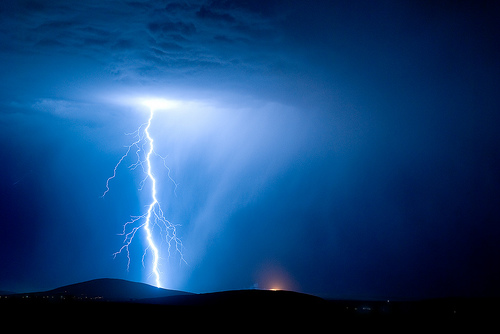
While it’s possible to enjoy a nice warm rain, or a mild thunderstorm, the past few springs in Indiana have produced a lot of severe weather. Hail storms, tornados, severe lighting, and dangerous straight line winds have become somewhat common place in Central Indiana. Homeowners insurance companies report year over year losses on homeowners insurance in Central Indiana since 2007 because of severe weather.

While the homeowners insurance companies make adjustments to coverages and our premiums to prepare themselves for future upcoming storms, what have you done to prepare yourlightnin family and your home for these storms?  Preparing yourself and your home for these inevitable storms could save your life, as well as thousands of dollars in home repairs.

Exterior checklist

  • Check your roof for leaks and missing or loose shingles as these may cause water or damage to your roof or attic.
  • Check Windows for leaks and caulk accordingly. Small leaks can cause major damage to walls and floors.
  • Clear gutters of leaves and obstructions.
  • Cut back trees from your home and remove dead or broken limbs.

insurance-agentInterior Checklist

  • Pick a centrally located room on the lowest floor of your home with the fewest number of windows to gather in case of severe weather.
  • Keep flashlights, extra batteries, drinking water and non-perishable food ready in case of a power outage.
  • If severe weather is in the area keep a weather radio tuned in for up to date warnings.

Spring is also a great time of year to talk to your insurance agent to make sure that you are adequately insured. Don’t wait until after you suffer a loss to learn what level of protection that your policy provides.

Spring Storms Can Bring Scam Artists

Watch for Scams after a Storm

Concerned WomanAs winter winds down and we draw closer to Spring you will begin to hear the importance of being prepared for the Springtime storms. As everyone knows we are at a greater risk for Tornados and serious wind and hail storms in the Spring and Fall.

These storms can turn your home and your life upside down. If your home is damaged in a storm you are eager to get your home repaired as quickly as possible so that you can get your life back to normal. It’s during this time of eagerness that you can become victim to another “natural disaster”, a scam artist.

Most contractors are reputable business people. But each year, there are a few dishonest ones who chase storms from state to state. They will try to convince you that you have hail or other damage and that you need a new roof when in fact you really don’t. They’ll ask to be hired for the work, explaining that your insurance company will pay for the repairs.th7JGJ1NLC

Most homeowner’s insurance policies will cover damage caused by hail and windstorms, but they will not cover the cost to replace a roof or siding when no damage has occurred. It is always recommended that you obtain a second and even a third opinion before starting any contract work.

What you can do?

If you’re beginning to repair or rebuild after a storm, or even if you are just planning a home improvement project, keep these tips, recommended by the Federal FEMAEmergency Management Agency, in mind for choosing contractors wisely:
• Get more than one estimate.
• Don’t be pushed into signing a contract right away.
• Get everything in writing. Cost, work to be done, time schedules, guarantees, payment schedules and other expectations should be detailed.
• Check references before deciding which contractor to choose.
• Never sign a contract with blanks.
• Don’t pay a contractor in full until the work is complete.
• Check with county or city licensing authorities to see if the contractor is licensed in your jurisdiction, as well as checking for complaints with their regional Better Business Bureau.

Contact your local independent agent.

If you need suggestions about who to hire or how to repair your home after a storm, your local independent agent can help you contact an insurance claims adjuster. Most insurance carriers have professional claims adjusters who are trained to assess your property, identify storm damage and prepare an estimate for proper repair. They can also provide recommendations for reliable, licensed contractors in your area—although the final choice of contractor is always yours.

Does Your Business Insurance Cover That?

Indiana Contractors InsuranceBusiness Insurance, and especially contractors insurance can be somewhat confusing and difficult to understand.  Many business owners do not understand their insurance coverages.    In most cases the business is the lifeblood of the business owners income, which makes this knowledge crucial to the survival and success of that business.

Business owners are busy people and quite often don’t think that they have the time to sit down with their insurance agent to properly discuss their business.  It is vitally important for the insurance agent to completely understand the business and the risks that are involved.  A gap in coverage could spell financial disaster.

Workers’ compensation insurancecontractors-150x150

The most common type of insurance for contractors is workers’ compensation.  Most businesses and contractors in Indiana are required to procure workers’ compensation insurance.  This insurance provides coverage for personal injuries suffered by employees while they are on the job.

Turmoil in the health insurance industry and the rising cost of health insurance has caused workers compensation insurance to increase in cost.  This has caused some contractors to “skimp” on their workers compensation insurance by not fully disclosing their true number of employees or their true payroll.  While this tactic will decrease the upfront premium it opens that business owner up for serious financial problems if they have a someone injured on the job.

Business Owners Policy (BOP)

th7JGJ1NLCFor most small business owners a Business Owners Policy (BOP) will cover the majority of their risks.  Most BOP’s can cover the business liability, building coverages, personal business property, tools, and many other items.  However, like all individuals, each business is unique and has its own set of risks that need to be evaluated.

Your insurance agent should know the intrical parts of your business and the risks that are taken each day.  For example many landscaping companies engage in snow removal during the winter months.  If the insurance agent is uninformed about the snow removal there may not be any coverage for snow removal, and one accident could mean financial ruin for the business owner.

What’s usually NOT covered

Some contractors and business owners may be Bennett editorial cartoonunder the false impression that their insurance can protect them from faulty workmanship.  In most cases, insurance covers the insured for sudden and unexpected accidents or losses.  Defective workmanship can sometimes be covered in a warranty plan, but your BOP normally does not extend coverage to warrant the quality of your work.

Does your business cover losses caused by subcontractors?  Some policies do and some do not.  In either case, if your company uses subcontractors be sure to obtain proof of insurance in the form of a Certificate of Insurance and have them name you as an Additional Insured.  This one simple step could save your company from financial disaster.  In most cases your insurance agent will be happy to help you with this simple step.

Business Insurance can be both complex and expensive.  It is vitally important for your insurance agent to understand your business.  I recommend that you sit down with your insurance agent at least on an annual basis to review the progress of your business and how your insurance fits your needs.  Your insurance agent should be a trusted advisor that you can depend upon for advice and a true assessment of the risks that you as a business owner take every day.

2014 Insurance Planning

Greeting the New Year is one of my favorite events. Beautiful-Happy-New-Year-2014-HD-Wallpapers-by-techblogstop-1It’s a time when I can reflect back at what has transpired over the past 12 months, and set goals and plans for what I hope to accomplish over the year. It’s a time when I can free myself of the past year’s failures and shortcomings, while I celebrate my accomplishments and prepare to be my best in the New Year.

Some people will resolve to lose weight or quit smoking in the New Year. I would imagine that a lot will sit down at the kitchen table with pen and paper in hand to do some financial goal planning. You’re planning to pay off that pesky credit card, or maybe you’re planning on putting in that swimming pool that you’ve always wanted.

Insurance AgentWith this in mind, let me suggest that the New Year is also an excellent time to review all of your insurance needs with your insurance agent. Insurance is not a “set it and forget it” financial product. It’s a financial product that needs to be continually maintained. As our lives change so do our insurance needs.

As you probably know, there are many changes imagesMAO8Q7F8taking place in insurance right now, and not just in health insurance, but also in home and auto. Premium rates are increasing and coverages are decreasing. You’ve probably noticed the increasing premiums, but did you know that your coverages may not be as good as they once were?

I thought that I was covered is not an insurance program. Make an annual insurance review part of your new year’s financial strategy. You will be glad that you did.


Has Your Deductible Changed Without Your Knowledge?

For the past several years homeowner’s insurance companies in Indiana have been losing money, primarily because of wind and hail claims. Storm patterns in recent years have pelted the Midwest with wind and hail related claims that reach into the $ billions. In fact many insurance companies are paying out 2 dollars in claims, for every dollar they receive in premium.Hail-damage-house-OK-6-2011-lg

This has been the primary reason the industry has seen such an increase in homeowners insurance premiums over the past few years. While this trend is not likely to end any time soon, some insurance companies are also changing the way they pay out claims.

Traditionally a homeowner’s policy has a dollar amount named as the deductible. That amount is subtracted from the amount of the claim. For example, if the policy has a $1,000 deductible and there is a $5,000 claim, the insurance company would pay out $4,000.

However there is a trend in the industry that has some companies changing their deductibles from a dollar amount to a percentage, especially if the claim has been caused by wind or hail.

Hand over your moneyI recently spoke to a married couple who had damage to their roof caused by the outbreak of tornadoes we experienced in the month of November. They called their insurance company to file a claim, and discovered that their deductible for a wind claim is 10% of their dwelling value. Their dwelling value is $360,000 which made their deductible $36,000. Needless to say they ended up having to pay for the repairs to their roof out of their own pocket.

Did you catch that? Their deductible was $36,000 for wind and hail damages!

Unfortunately many other companies are following suit. Some very large and well-known insurance companies are changing their wind and hail deductibles to a % and most of their clients are unaware of the change. Often times clients are only notified of this change within the mountain of paperwork they receive in the mail from the company at the policies renewal.

Let’s face it; most people do not have the time to sift through that much paperwork. They file it away and assume that the coverages have remained the same.

The example given above of a 10% deductible is the most extreme case that I have seen. More frequently I am seeing wind and hail damage deductibles changing from a dollar amount to 1% or 2% of the dwelling coverage. 1% or 2% of the dwelling is still a significant amount of money to pay out of pocket at the stressful time of a claim.take action

Protect yourself.

1. Review your documents. Take the time to review the documents when you receive information in the mail from your insurance company. If you do not understand the language or have questions, take the policy to your agent and have them explain the coverages.

annual review2. Insist on an annual review. Your agent should be sitting down with you on an annual basis to review your coverages and to answer your questions. There are too many changes taking place in the homeowner’s insurance arena right now to ignore the paperwork and hope for the best.

3. Educate yourself. Too often times I hear people say that they paid their premium so the assumed everything was OK. Don’t turn a blind eye to your insurance coverages. Insurance is expensive so you should do you best to make sure that you understand what you are paying for.