Spring is Finally Here!

CrocusThe 2013-2014 Winter season was one for the record books! We had record cold temperatures, record snowfall, and a little bit of ice.   Thankfully it’s finally over (I hope). It’s great to feel the warm sun and to enjoy God’s great outdoors. Unfortunately these conditions can also produce severe weather.

While it’s possible to enjoy a nice warm rain, or a mild thunderstorm, the past few springs in Indiana have produced a lot of severe weather. Hail storms, tornados, severe lighting, and dangerous straight line winds have become somewhat common place in Central Indiana. Homeowners insurance companies report year over year losses on homeowners insurance in Central Indiana since 2007 because of severe weather.

While the homeowners insurance companies make adjustments to coverages and our premiums to prepare themselves for future upcoming storms, what have you done to prepare yourlightnin family and your home for these storms?  Preparing yourself and your home for these inevitable storms could save your life, as well as thousands of dollars in home repairs.

Exterior checklist

  • Check your roof for leaks and missing or loose shingles as these may cause water or damage to your roof or attic.
  • Check Windows for leaks and caulk accordingly. Small leaks can cause major damage to walls and floors.
  • Clear gutters of leaves and obstructions.
  • Cut back trees from your home and remove dead or broken limbs.

insurance-agentInterior Checklist

  • Pick a centrally located room on the lowest floor of your home with the fewest number of windows to gather in case of severe weather.
  • Keep flashlights, extra batteries, drinking water and non-perishable food ready in case of a power outage.
  • If severe weather is in the area keep a weather radio tuned in for up to date warnings.

Spring is also a great time of year to talk to your insurance agent to make sure that you are adequately insured. Don’t wait until after you suffer a loss to learn what level of protection that your policy provides.


Does Your Business Insurance Cover That?

Indiana Contractors InsuranceBusiness Insurance, and especially contractors insurance can be somewhat confusing and difficult to understand.  Many business owners do not understand their insurance coverages.    In most cases the business is the lifeblood of the business owners income, which makes this knowledge crucial to the survival and success of that business.

Business owners are busy people and quite often don’t think that they have the time to sit down with their insurance agent to properly discuss their business.  It is vitally important for the insurance agent to completely understand the business and the risks that are involved.  A gap in coverage could spell financial disaster.

Workers’ compensation insurancecontractors-150x150

The most common type of insurance for contractors is workers’ compensation.  Most businesses and contractors in Indiana are required to procure workers’ compensation insurance.  This insurance provides coverage for personal injuries suffered by employees while they are on the job.

Turmoil in the health insurance industry and the rising cost of health insurance has caused workers compensation insurance to increase in cost.  This has caused some contractors to “skimp” on their workers compensation insurance by not fully disclosing their true number of employees or their true payroll.  While this tactic will decrease the upfront premium it opens that business owner up for serious financial problems if they have a someone injured on the job.

Business Owners Policy (BOP)

th7JGJ1NLCFor most small business owners a Business Owners Policy (BOP) will cover the majority of their risks.  Most BOP’s can cover the business liability, building coverages, personal business property, tools, and many other items.  However, like all individuals, each business is unique and has its own set of risks that need to be evaluated.

Your insurance agent should know the intrical parts of your business and the risks that are taken each day.  For example many landscaping companies engage in snow removal during the winter months.  If the insurance agent is uninformed about the snow removal there may not be any coverage for snow removal, and one accident could mean financial ruin for the business owner.

What’s usually NOT covered

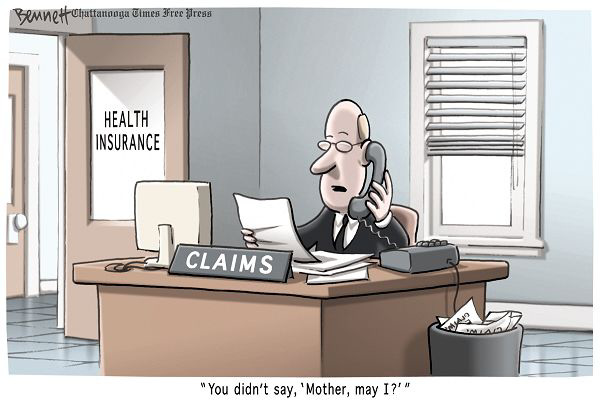
Some contractors and business owners may be Bennett editorial cartoonunder the false impression that their insurance can protect them from faulty workmanship.  In most cases, insurance covers the insured for sudden and unexpected accidents or losses.  Defective workmanship can sometimes be covered in a warranty plan, but your BOP normally does not extend coverage to warrant the quality of your work.

Does your business cover losses caused by subcontractors?  Some policies do and some do not.  In either case, if your company uses subcontractors be sure to obtain proof of insurance in the form of a Certificate of Insurance and have them name you as an Additional Insured.  This one simple step could save your company from financial disaster.  In most cases your insurance agent will be happy to help you with this simple step.

Business Insurance can be both complex and expensive.  It is vitally important for your insurance agent to understand your business.  I recommend that you sit down with your insurance agent at least on an annual basis to review the progress of your business and how your insurance fits your needs.  Your insurance agent should be a trusted advisor that you can depend upon for advice and a true assessment of the risks that you as a business owner take every day.

2014 Insurance Planning

Greeting the New Year is one of my favorite events. Beautiful-Happy-New-Year-2014-HD-Wallpapers-by-techblogstop-1It’s a time when I can reflect back at what has transpired over the past 12 months, and set goals and plans for what I hope to accomplish over the year. It’s a time when I can free myself of the past year’s failures and shortcomings, while I celebrate my accomplishments and prepare to be my best in the New Year.

Some people will resolve to lose weight or quit smoking in the New Year. I would imagine that a lot will sit down at the kitchen table with pen and paper in hand to do some financial goal planning. You’re planning to pay off that pesky credit card, or maybe you’re planning on putting in that swimming pool that you’ve always wanted.

Insurance AgentWith this in mind, let me suggest that the New Year is also an excellent time to review all of your insurance needs with your insurance agent. Insurance is not a “set it and forget it” financial product. It’s a financial product that needs to be continually maintained. As our lives change so do our insurance needs.

As you probably know, there are many changes imagesMAO8Q7F8taking place in insurance right now, and not just in health insurance, but also in home and auto. Premium rates are increasing and coverages are decreasing. You’ve probably noticed the increasing premiums, but did you know that your coverages may not be as good as they once were?

I thought that I was covered is not an insurance program. Make an annual insurance review part of your new year’s financial strategy. You will be glad that you did.


Has Your Deductible Changed Without Your Knowledge?

For the past several years homeowner’s insurance companies in Indiana have been losing money, primarily because of wind and hail claims. Storm patterns in recent years have pelted the Midwest with wind and hail related claims that reach into the $ billions. In fact many insurance companies are paying out 2 dollars in claims, for every dollar they receive in premium.Hail-damage-house-OK-6-2011-lg

This has been the primary reason the industry has seen such an increase in homeowners insurance premiums over the past few years. While this trend is not likely to end any time soon, some insurance companies are also changing the way they pay out claims.

Traditionally a homeowner’s policy has a dollar amount named as the deductible. That amount is subtracted from the amount of the claim. For example, if the policy has a $1,000 deductible and there is a $5,000 claim, the insurance company would pay out $4,000.

However there is a trend in the industry that has some companies changing their deductibles from a dollar amount to a percentage, especially if the claim has been caused by wind or hail.

Hand over your moneyI recently spoke to a married couple who had damage to their roof caused by the outbreak of tornadoes we experienced in the month of November. They called their insurance company to file a claim, and discovered that their deductible for a wind claim is 10% of their dwelling value. Their dwelling value is $360,000 which made their deductible $36,000. Needless to say they ended up having to pay for the repairs to their roof out of their own pocket.

Did you catch that? Their deductible was $36,000 for wind and hail damages!

Unfortunately many other companies are following suit. Some very large and well-known insurance companies are changing their wind and hail deductibles to a % and most of their clients are unaware of the change. Often times clients are only notified of this change within the mountain of paperwork they receive in the mail from the company at the policies renewal.

Let’s face it; most people do not have the time to sift through that much paperwork. They file it away and assume that the coverages have remained the same.

The example given above of a 10% deductible is the most extreme case that I have seen. More frequently I am seeing wind and hail damage deductibles changing from a dollar amount to 1% or 2% of the dwelling coverage. 1% or 2% of the dwelling is still a significant amount of money to pay out of pocket at the stressful time of a claim.take action

Protect yourself.

1. Review your documents. Take the time to review the documents when you receive information in the mail from your insurance company. If you do not understand the language or have questions, take the policy to your agent and have them explain the coverages.

annual review2. Insist on an annual review. Your agent should be sitting down with you on an annual basis to review your coverages and to answer your questions. There are too many changes taking place in the homeowner’s insurance arena right now to ignore the paperwork and hope for the best.

3. Educate yourself. Too often times I hear people say that they paid their premium so the assumed everything was OK. Don’t turn a blind eye to your insurance coverages. Insurance is expensive so you should do you best to make sure that you understand what you are paying for.

10 Ways to Save Money on Your Insurance

1. Match your coverages to your specific needs. Insurance is not one size fits all. Have your agent explain each and every coverage that you are paying for. Use this information to help determine if your coverage fits your circumstances.

2. Insist on Annual Reviews with your Agent. As your life changes from year to year so does your insurance needs. Visiting your insurance agent and reviewing your coverages along with your costs is an excellent way of staying informed and keeping your costs down.Insurance Agent

3. Comparison shop. Each insurance company use different risk models to determine your annual premium. Your risks will change from year to year along with insurance companies risk models. Have your local independent agent shop different carriers for you each year at renewal time.

4. Bundle your coverages. Most insurance companies give big discounts for having all of your insurance with one carrier. Most people know about the home and auto discount, but did you know that some carriers offer extra discounts for having life insurance or an umbrella policy with them?

5. Increase your deductible.  It’s not an uncommon thing for me to see an auto policy where the person has never had a claim but yet has a zero deductible. This is like paying the insurance company a bonus for never filing a claim. Self-insure yourself for as much as you can comfortably afford.good-credit-vs-bad-credit

6. Maintain good credit. I don’t necessarily agree with the practice, but insurance companies today are using your credit score as a way of determining the likelihood of you filing a claim. Keep your credit in good order and this will help to keep your insurance costs down.

7. Safety Safety Safety. Insurance companies give discounts for safety devices and features. Safety features and ratings with vehicles can reduce your auto insurance premium. Smoke detectors, CO2 detectors, and Burglar alarms can help to lower your homeowner’s insurance premiums.

8. Low Mileage Savings. Your auto insurance rates are partially based on the distance that you drive your vehicle each year. Check with your local independent agent to make sure that they have your correct annual driving miles.

going-paperless
9. Go Paperless. Many companies offer a paperless discount. Instead of mailing you mounds of paperwork, they email them to you.

10. Senior Discounts. The older we get the less risks we tend to take which may not be real exciting, but it can lead to savings on our insurance. Most companies offer some type of senior discount, call you agent and find out when you can take advantage of this discount.